
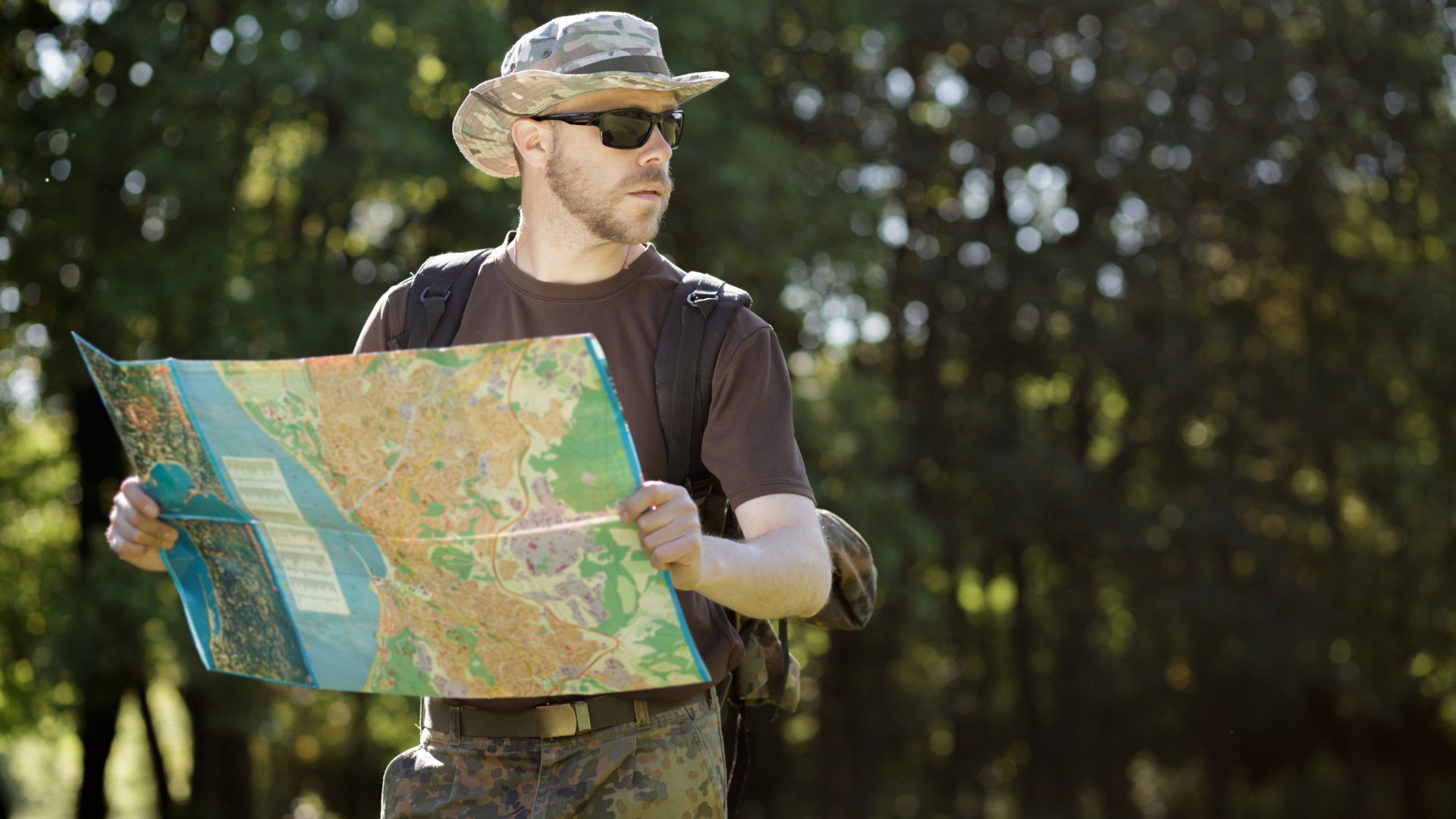
Travelling is exciting but comes with risks that can be minimised with preparation. Understanding key safety measures can help ensure your adventure remains enjoyable and secure. The most important tip is to stay aware of your surroundings and plan ahead to avoid common hazards.
Knowing how to protect your belongings, choosing safe accommodations, and keeping emergency contacts handy are practical steps for any trip. Simple habits like sharing your itinerary with someone you trust can significantly increase your safety.
Being prepared doesn’t mean limiting your experience; it means making smart decisions that let you explore confidently. These travel tips provide straightforward advice to help you stay safe wherever you go.
Research and Planning
Thorough preparation helps avoid common travel risks and ensures a smoother experience. Key factors include assessing safety conditions, staying updated on travel alerts, organising your daily schedule carefully, and choosing trustworthy places to stay.
Understanding Destination Safety
Start by gathering information on the crime rate, political stability, and health risks at your destination. Reliable sources include government websites, local news, and recent traveller reviews.
Consider specific neighbourhoods to avoid and general cultural norms that may impact your safety. It’s important to know any common scams or threatstravellerss face in that area.
Check vaccination requirements and local health advisories to prepare for medical risks. Understanding local emergency numbers and the nearest embassy location adds an extra layer of security.
Checking Travel Advisories
Consult official government travel advisory websites regularly before departure and during your trip. These advisories provide updates on security issues such as terrorism, civil unrest, natural disasters, and disease outbreaks.
Look for details about entry restrictions, mandatory quarantine, or planned protests that could disrupt your travel plans. Advisories often include recommendations on which areas to avoid for safety reasons.
Sign up for alert services to receive real-time updates on your mobile device. Staying informed minimises the chances of encountering unexpected hazards while on the move.
Planning Your Itinerary
Create a detailed daily schedule balancing activities, rest, and transit times. Share your itinerary with a trusted contact to keep someone informed of your whereabouts.
Include buffer time between connections, especially for international flights or unfamiliar local transport. Have clear directions and maps stored offline in case of limited internet access.
Prioritise well-lit, populated routes and avoid nighttime travel in hazardous areas. Factor in local customs and holidays, which might affect opening hours or public services availability.
Booking Secure Accommodation
Use reputable booking platforms with verified user reviews. Look for properties with 24-hour security, secure locks, and positive cleanliness records.
Avoid isolated or poorly lit locations and check proximity to public transport and emergency services. Confirm cancellation policies and whether the property has COVID-19 safety measures in place.
When possible, call the accommodation directly to verify details and ask about on-site security features. Keeping receipts and booking confirmations accessible will help resolve any issues efficiently.
Packing for Safety
Packing smartly involves bringing gear that protects, keeping critical documents accessible, and securing adequate travel insurance. These factors help reduce risk and ensure smoother experiences during unforeseen events.
Essential Safety Gear
Start with a basic first aid kit, including bandages, antiseptic wipes, pain relievers, and any personal medications. Add a compact flashlight with extra batteries and a whistle for emergencies.
Consider packing a portable phone charger to maintain communication. A sturdy lock for luggage and a money belt or neck pouch keep valuables secure. If travelling to remote areas, include insect repellent and water purification tablets.
Dress appropriately for the climate and terrain. Layered clothing, comfortable walking shoes, and rain gear can prevent weather-related issues. Include copies of emergency contacts and local emergency numbers.
Organising Important Documents
Keep passports, visas, IDs, and travel itineraries in a waterproof folder. Digital copies stored on a secure cloud service or encrypted device add backup security.
Organise all documents in one easily accessible place during travel. Use a dedicated travel wallet or document organiser to prevent loss.
Label copies clearly, noting expiration dates and entry requirements for destinations. Consider carrying an international driver’s license if planning to rent vehicles.
Choosing Travel Insurance
Select insurance that covers medical emergencies, trip cancellations, and lost or stolen belongings. Verify coverage limits and exclusions, especially for adventure activities or pre-existing conditions.
Purchase insurance soon after booking to secure cancellation protections. Compare policies based on destination, travel duration, and activities planned.
Keep a printed and digital copy of your policy summary and emergency hotline numbers. Notify your insurance company immediately if an incident occurs.
Personal Safety During Travel
Maintaining personal safety while travelling involves constant vigilance, choosing safe environments, and protecting your belongings. These practices reduce the risk of theft, accidents, or unwanted encounters.
Staying Aware of Your Surroundings
Stay alert and avoid distractions like excessive phone use, which can make you an easy target. Scan your environment regularly for unusual behaviour or potential hazards. Trust your instincts if something feels off.
Use landmarks and well-lit, populated routes, especially at night. Avoid isolated areas such as empty parks or alleys. When in crowds, keep bags close and secure to prevent pickpocketing.
Avoiding Risky Areas
Research your destination before arrival to identify neighbourhoods to avoid. Stay updated on local news and official travel advisories. Areas with high crime rates or civil unrest should be skipped entirely.
If unsure about certain places, ask locals or hotel staff for safe alternatives. Maintain a low profile by dressing modestly and avoiding flashy accessories that attract attention. Use reputable transportation services instead of hitchhiking or unregistered taxis.
Managing Valuables Securely
Carry only essential items, such as a copy of your ID and limited cash. Use money belts or neck pouches under clothing to keep valuables out of reach.
Secure electronics and passports in a locked bag or hotel safe when not in use. Avoid flashing money or expensive devices in public to minimise attention.
If carrying a backpack, wear it on your front in crowded areas. Divide cash and cards across different locations on your person to reduce total loss risk if stolen.
Health and Wellness Precautions
Maintaining your health while travelling requires attention to basic needs, managing essential medications, and being aware of specific local health concerns. Proper preparation helps reduce common risks related to hydration, nutrition, and medical emergencies.
Staying Hydrated and Nourished
Dehydration can occur quickly, especially in hot or dry climates. Drink at least 8 cups (about 2 litres) of safe water daily, adjusting for activity level and temperature. Avoid tap water where it’s unsafe by using bottled or filtered water.
Eating regular, balanced meals supports energy and immune function. Focus on fresh fruits and vegetables, lean proteins, and whole grains to maintain stamina. Avoid street food that looks unhygienic or undercooked to reduce the risk of foodborne illnesses.
Carry portable snacks like nuts or energy bars for times when food options are limited. This helps maintain blood sugar levels and prevents fatigue during long travel days.
Preparing Medications and First Aid
Carry a first aid kit tailored to your trip’s needs. Essentials include bandages, antiseptic wipes, pain relievers, antihistamines, and any prescription medications. Pack slightly more than the expected duration of your stay.
Keep medications in their original containers with clear labels. Bring copies of prescriptions and a doctor’s note if you carry controlled substances or require special storage conditions. Store medicines away from extreme heat or moisture.
Be aware of vaccine requirements or recommended immunisations based on your destination. Schedule vaccinations at least a month before departure to ensure full effectiveness.
Understanding Local Health Risks
Research health risks specific to your destination, such as mosquito-borne diseases, altitude sickness, or contaminated water. Consult official sources like the CDC or WHO before travelling.
Use insect repellent containing DEET or picaridin when visiting areas with malaria or dengue risk. Sleep under insecticide-treated nets if appropriate. Consider malaria prophylaxis if recommended.
Take precautions for altitude sickness in mountainous regions. Ascend gradually and stay hydrated. Watch for symptoms like headache, dizziness, or nausea.
Avoid risky behaviours like swimming in freshwater with known parasites or consuming unpasteurized dairy products. Following local health advisories minimises exposure to diseases.
Transportation Safety
Choosing safe transportation methods and understanding local transit systems greatly reduces risks during travel. Knowledge of reliable services, transit etiquette, and road regulations helps ensure smooth and secure journeys.
Using Reputable Transport Options
Opt for licensed taxis, rideshares, or official airport shuttles with visible identification and insurance. Confirm the driver’s identity through app details or credentials before entering the vehicle.
Avoid unmarked cars or offers from strangers, especially in unfamiliar areas. Booking through trusted platforms with customer reviews adds an extra layer of safety.
Carry small change to avoid disputes over fares. If possible, share your ride location with a trusted contact when travelling alone.
Navigating Public Transit Safely
Stay alert to your surroundings, especially during busy hours or in crowded stations. Keep personal belongings secured and avoid displaying valuables.
Use well-lit, populated stops and avoid empty cars or isolated platforms. If available, follow local advice on transit safety.
Be aware of local transit rules and schedules tominimisee wait times. Download transit apps for real-time updates and route planning.
Driving and Road Safety Rules
Familiarise yourself with local traffic laws, speed limits, and signage before driving. Defensive driving techniques and avoiding distractions are critical for safety.
Always wear a seatbelt and ensure passengers do the same. Avoid driving at night or in adverse weather conditions if unfamiliar with the area.
Use GPS systems, but also have a physical map as backup. Park in secure, well-lit areas to reduce theft or vandalism risks.
Emergency Preparedness
Being prepared for emergencies during travel requires knowing who to contact and how to access help quickly. Understanding these steps minimises risk and improves response time if an urgent situation arises.
Identifying Emergency Contacts
Before departure, gather contact details for key people and organisations. This includes family members, your country’s embassy or consulate in the destination, and your travel insurance provider.
Keep a list both digitally and on paper. Include names, phone numbers (with country codes), email addresses, and physical addresses if relevant. For example:
| Contact Type | Information Needed |
| Family/Friends | Name, phone number |
| Embassy/Consulate | Address, phone number, email |
| Travel Insurance | Policy number, emergency hotline |
Share your itinerary and emergency contact list with someone you trust at home. This helps others assist quickly if needed.
Utilising Local Emergency Services
Know the local emergency numbers for police, fire, and medical services. These vary widely—112 works widely in Europe, 911 in the US and Canada, while other countries have different codes.
Familiarise yourself with how to describe your location clearly, especially if in rural or unfamiliar areas. Use landmarks, GPS coordinates, or nearby addresses.
When calling, stay calm and provide essential details: your name, the nature of the emergency, the location, and any immediate dangers. If you don’t speak the local language fluently, learn key phrases or use a translation app.
In many countries, emergency responders may provide limited assistance if you don’t speak the language, so preparation is essential.
Cultural Awareness and Respect
Knowing how to behave in different cultural settings is essential for a smooth travel experience. This involves understanding common practices and following local legal requirements to avoid conflicts.
Understanding Local Customs
Recognise important cultural norms such as greetings, dress codes, and social behaviours before arriving. For example, in many Middle Eastern countries, modest clothing is expected, especially for women. In Japan, removing shoes before entering homes or certain establishments is standard.
Avoid gestures or language that could be offensive. In India, the use of the left hand for eating or handing over items is often frowned upon. Researching holidays and festivals can be useful to align with community activities or avoid restricted areas.
Respect religious sites by following specific rules, such as covering the head or remaining silent. Small actions like these show respect and can prevent misunderstandings.
Adhering to Local Laws and Regulations
Each country has unique laws that travellers must follow strictly. This includes rules on alcohol consumption, photography restrictions, and drug policies. For example, some countries prohibit drinking alcohol in public, while others have severe penalties for drug possession.
Check visa conditions carefully and carry identification at all times. In some places, failure to comply with permit requirements can lead to fines or arrest. Traffic laws are also important; some countries drive on the opposite side of the road or have strict speed limits.
Understanding and obeying these regulations helps avoid legal trouble and contributes to a respectful travel experience.
Digital and Cybersecurity
Maintaining digital security is essential when travelling to prevent identity theft, data loss, or unauthorised access. Using strong safeguards on devices and conducting transactions securely reduces risks significantly.
Protecting Personal Devices
Always use a strong, unique password or biometric lock on every device. Enable two-factor authentication (2FA) for important accounts to add an extra layer of protection.
Keep software and apps updated to patch vulnerabilities. Avoid connecting to public Wi-Fi without a VPN; unsecured networks are prime targets for hackers. Instead, use your phone’s hotspot or a trusted network.
Back up important data before you travel and store it in a separate location, like cloud storage or an external drive. If a device is lost or stolen, remote wipe features can delete sensitive information remotely.
Secure Online Transactions
Use secure websites with URLs starting with https:// when making purchases or logging into accounts. Check for the padlock icon in the browser address bar to confirm encryption.
Never conduct financial transactions on public Wi-Fi without a VPN. Avoid saving payment information on devices or browsers when travelling.
Consider using virtual credit cards or prepaid cards to limit exposure if theft occurs. Always monitor bank statements regularly during and after your trip for unauthorised activity.
Environmental and Outdoor Safety
Understanding weather patterns and local wildlife is critical for a safe outdoor experience. Being prepared for sudden changes and respecting natural hazards reduces risks during travel and adventures.
Assessing Weather Conditions
Check detailed forecasts before your trip, focusing on temperature, precipitation, and wind alerts. Use reliable sources like the National Weather Service or local meteorological websites.
Watch for signs of rapidly changing weather, such as dark clouds, sudden temperature drops, or increasing wind speeds. These can indicate storms or hazardous conditions.
Pack appropriate gear: waterproof clothing, layers for temperature shifts, and sturdy footwear. Adjust plans immediately if severe weather is expected.
Carry a weather radio or smartphone with weather apps for real-time updates. Know shelter locations near your route to avoid exposure during extreme events.
Wildlife and Terrain Awareness
Know which animals inhabit your destination and how to act if you encounter them. For example, bear country requires carrying bear spray and making noise while hiking to avoid surprises.
Study the terrain types—steep slopes, loose rocks, or marshy ground demand different footwear and caution methods. Avoid venturing off marked trails to reduce injury risk.
Store food securely to prevent attracting wildlife. Keep a safe distance from animals and never feed them, as this alters their natural behaviour and increases danger.
Bring a basic first aid kit for bites, stings, or scrapes. Inform others of your route and expected return to help in emergencies.
 Bonjour! Hola! Hello! Welcome to Access 2 Europe a site that is dedicated to my love of traveling the wonderous continent of Europe. Lottie Davies is the name and traveling is the game, ever since I left university 15 years ago, hopped on that plane, and jetted off to my first destination France.