
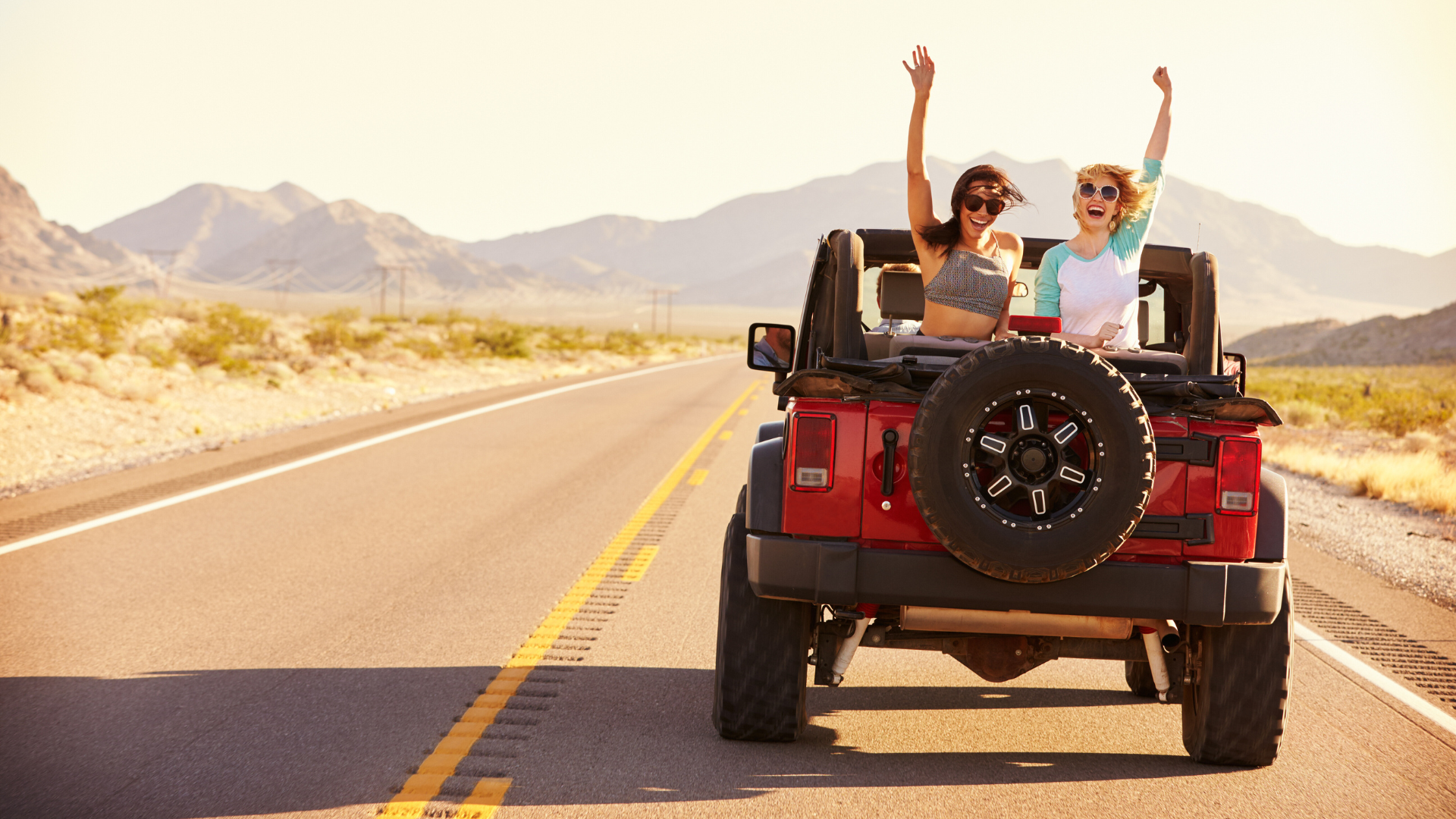
Planning a road trip doesn’t have to be complicated. The key to an easy road trip plan is setting clear destinations, creating a flexible schedule, and preparing essentials in advance. These steps help avoid stress and make the journey more enjoyable.
Choosing routes and stopping points ahead saves time and ensures you don’t miss important sights. Packing smart and having backup plans for accommodations or delays also makes the trip smoother.
With simple tools like maps, apps, and checklists, anyone can organise a road trip efficiently. Knowing what to plan and when to adapt keeps the experience straightforward and fun.
Determining Your Road Trip Goals
Setting clear goals helps shape the entire trip experience. This involves deciding where you want to go, how long you’ll stay on the road, and who will share the journey with you.
Identifying Your Main Destination
Choose a primary location that fits your interests, whether a city, park, or landmark. This decision affects your route, stopping points, and activities.
Consider the type of experience you want: cultural exploration, outdoor adventure, or relaxation. Research the destination’s accessibility and nearby attractions to maximise your trip.
Map your route based on your chosen destination. Include fuel stops, rest areas, and accommodations to plan efficiently. Fixing the destination early helps create a structured itinerary.
Setting Trip Duration
Decide how many days you can dedicate to the trip. This affects miles driven daily, accommodation planning, and how many activities you can fit.
Balance driving time with rest and sightseeing. Avoid overly long daily drives to reduce fatigue and increase enjoyment.
Use a simple table to plan days versus distance:
| Days Available | Approximate Daily Miles | Notes |
| 3 | 200+ | Mostly driving, fewer stops |
| 5 | 100-150 | Balanced drive and stops |
| 7+ | 75-100 | More time for attractions |
Choosing Travel Companions
Select companions who match your travel style to minimise conflicts. Discuss expectations about pace, stops, and budget before leaving.
Consider personality, interests, and comfort levels with long drives. Travelling with like-minded people improves the overall experience.
Set clear ground rules around music, breaks, and responsibilities like navigation or fuel management to keep the trip organised.
Planning the Perfect Route
Choosing the right route involves more than simply getting from point A to B. Prioritising scenic views, convenient stops, and up-to-date traffic information will make the drive smoother and more enjoyable.
Exploring Scenic Byways
Scenic byways offer visually interesting routes that highlight natural landscapes, historic sites, and cultural landmarks. Use resources like the National Scenic Byways Program or local tourism websites to identify these roads. Prioritise routes with diverse scenery such as coastal views, mountain passes, or forested areas.
Plan your journey to include these byways without significantly increasing travel time. Consider timing for the best light or less crowded conditions. Scenic routes often have overlooks, picnic areas, and photo spots worth scheduling into your day.
Mapping Rest Stops and Points of Interest
Frequent rest stops help maintain alertness and comfort during long drives. Identify rest areas, gas stations, and eateries along your route before departure. Apps like Roadtrippers and Google Maps allow marking these points for easy reference.
Include attractions or landmarks that fit your interests, such as historical sites, nature reserves, or local museums. A balanced schedule mixes driving with exploration, preventing fatigue while adding enjoyment.
Avoiding Traffic and Road Closures
Traffic delays and closures can disrupt your plans. Check live traffic updates via Waze or Google Maps shortly before and during your trip. Adjust your route in real-time to bypass accidents or heavy congestion.
Research planned roadworks ahead of time using state transportation websites. Alternate routes should be noted in case of detours. Early departure times or travelling on weekdays can also reduce the likelihood of encountering congestion.
Creating a Realistic Itinerary
A well-planned itinerary balances travel time, rest, and activities to maximise enjoyment without causing fatigue. Prioritising stops and breaks helps maintain energy levels while ensuring meaningful experiences. Time allocation should reflect both the road conditions and personal interests.
Balancing Driving Time and Activities
Aim to keep daily driving under 6 hours to avoid exhaustion. Break longer drives into segments with planned stops every 2 to 3 hours. Use apps to check traffic and road conditions ahead of time.
Match driving times with the type of activities planned. For example, drive longer on days with fewer scheduled stops and shorter on days packed with sightseeing or events. Factor in daylight hours if travelling in winter or areas with limited light.
Scheduling Breaks and Overnight Stays
Plan breaks at rest areas, scenic viewpoints, or towns with dining options to refresh and refuel. A 15-minute break every 2 hours helps reduce driver fatigue. Include meal stops around normal eating times.
Overnight stays should be booked in advance in key locations that divide the journey logically. Choose accommodations close to planned attractions or major highways. Allow extra time for check-in and relaxation to avoid rushing the next day.
Allocating Time for Sightseeing
Estimate time realistically for each attraction by researching visitor reviews and official websites. Avoid squeezing too many stops in one day; leave buffer time for unexpected delays.
Prioritise must-see sites and schedule them during peak visiting hours to avoid crowds. Use a simple table for quick reference:
| Attraction | Estimated Time | Notes |
| Museum visit | 2 hours | Buy tickets in advance |
| Hiking trail | 3 hours | Wear appropriate footwear |
| City walk | 1.5 hours | Start early to avoid the heat |
Adjust the itinerary flexibly based on daily energy and weather conditions.
Accommodations and Reservations
Deciding where to stay and when to book can have a major impact on your trip’s comfort and budget. Assess the pros and cons of different lodging types and balance the timing of reservations to maintain flexibility without risking availability.
Choosing Between Hotels, Motels, and Camping
Hotels often provide the most amenities, such as Wi-Fi, pools, and room service, making them suitable for travellers seeking comfort. They tend to be pricier but offer security and convenience, especially in urban or popular tourist areas.
Motels usually have lower rates and easy vehicle access, which can be ideal for quick overnight stops on highways. They often lack extensive amenities but provide basic accommodations for short stays.
Camping is the most budget-friendly option and allows for a closer connection to nature. It requires gear and preparation but works well where camping sites are readily available, and weather conditions are favourable.
| Accommodation | Cost | Amenities | Ideal Use |
| Hotel | Higher | Extensive | Comfort and convenience |
| Motel | Moderate/Low | Basic | Quick stopovers |
| Camping | Low | Minimal (self-supplied) | Outdoor experience |
Booking in Advance vs. Last-Minute Options
Booking in advance guarantees your spot, which is crucial during peak seasons, holidays, or popular destinations. It can also secure better rates and allow time to compare options.
However, last-minute bookings can offer discounts if accommodations are trying to fill vacancies. This approach requires flexibility and backup plans if preferred lodging is unavailable.
Tooptimisee your trip, identify which stops require early reservations and which can be booked closer to arrival. Use apps or websites that monitor price changes and availability for real-time updates.
Packing Essentials for Road Trips
Road trips require careful preparation to handle unexpected situations, stay nourished, and remain comfortable throughout the journey. Bringing the right items ensures safety and enjoyment, especially during long hours on the road.
Preparing Emergency Supplies
A well-stocked emergency kit is crucial for safety. Include a first aid kit with bandages, antiseptic wipes, pain relievers, and any personal medications. Pack a flashlight with extra batteries, a multi-tool, and jumper cables.
Keep a roadside assistance kit containing reflective triangles, a high-visibility vest, and basic tools like screwdrivers and pliers. Store a spare tyre and tire-changing tools in an accessible spot. It’s helpful to bring a portable phone charger and printed maps in case of poor signal.
Organising Food and Snacks
Choose non-perishable items that offer energy and ease of storage. Nuts, granola bars, dried fruit, and trail mix are reliable options. Include some fresh fruits like apples or oranges for hydration and vitamins.
Pack foods that don’t require refrigeration and avoid overly messy choices. Use reusable containers and resealable bags to keep snacks organised and fresh. Don’t forget plenty of water—bring insulated bottles to keep drinks cool during hot weather.
Choosing Entertainment for the Ride
Plan a variety of entertainment to prevent boredom. Download playlists, podcasts, or audiobooks suited to different moods and group preferences. Bring charging cables and portable speakers for quality sound.
For passengers, consider travel games, books, or tablets loaded with movies and shows. Physical activities are limited, so mental stimulation is important to keep everyone engaged. Rotate or share entertainment options to maintain interest over long stretches.
Ensuring Vehicle Preparedness
Preparing your vehicle properly can prevent breakdowns and delays. Key steps include confirming the car’s condition, carrying the right accessories, and knowing what support options are available if issues arise on the road.
Scheduling Maintenance Checks
Schedule a full maintenance check 1-2 weeks before your trip. Focus on oil levels, brake function, tyre pressure, and fluid levels like coolant and windshield washer fluid. Replace worn tyres; tread depth below 2/32 inches risks poor traction.
Inspect the battery for corrosion or a weak charge. Test lights, signals, and the horn to ensure all are operational. If your trip involves long distances or highways, don’t skip an engine diagnostic to catch hidden problems.
Mount a sturdy roof rack or carrier if needed, but get it installed professionally to avoid damage or safety issues during travel.
Packing Essential Car Accessories
Prepare a kit with accessories that address common roadside issues and basic needs. Include a fully charged portable phone charger, a tyre pressure gauge, spare tyre, jack, and lug wrench.
Add jumper cables, a flashlight with extra batteries, emergency road flares or reflective triangles, and a first aid kit. Consider packing basic tools such as screwdrivers and pliers.
Organise supplies in a durable, waterproof bag placed where easy to access. Also, store water and non-perishable snacks in case of long waits.
Understanding Roadside Assistance Options
Know your roadside assistance plan details before leaving. Services can include towing, tyre changes, fuel delivery, lockout service, and battery jump-starts.
Check if coverage applies nationwide or is limited to certain regions. Keep the assistance phone number saved in your mobile device and printed in the car.
Consider apps that offer on-demand roadside help if you lack a traditional plan. Confirm estimated response times for your travel areas, particularly in remote locations.
Budgeting and Managing Expenses
Planning ahead for costs can prevent overspending and help maintain control over the trip’s finances. Knowing how to calculate key expenses and keep track of daily spending are essential steps in managing your road trip budget effectively.
Estimating Fuel Costs
Fuel is one of the largest expenses on a road trip. To estimate fuel costs, first determine the total miles you expect to travel. Then, divide that by your vehicle’s average miles per gallon (MPG). Multiply the result by the current price per gallon.
For example:
| Total Miles | MPG | Price per Gallon | Estimated Fuel Cost |
| 800 | 25 | $4.00 | (800 / 25) * 4 = $128 |
Check fuel prices along your route using apps or websites, as they can vary greatly between regions.
Tracking Daily Spending
Keep a small notebook or use a budgeting app to record each expense during your trip. Categorise spending into fuel, food, lodging, and entertainment to see where your money goes.
Review your daily budget every evening to adjust your plans if needed. Save receipts or take photos to ensure accuracy. Consistent tracking helps avoid surprises and allows for better control over your finances throughout the road trip.
Staying Safe and Informed
Keeping track of changing conditions and maintaining communication are critical when on the road. Being proactive about updates and connectivity can help avoid hazards and ensure help is available if needed.
Monitoring Weather Updates
Check reliable weather sources like the National Weather Service or Weather.com before and during your trip. Set alerts on your phone for severe weather warnings relevant to your planned route.
The weather can change quickly, especially in mountainous areas or near coasts. Paying attention to local forecasts helps you decide when to adjust your schedule or find safe places to wait out storms.
Bring a small portable weather radio or download an app with offline capabilities. These tools provide updates even when cell service is weak.
Staying Connected While Travelling
Ensure your phone plan covers all states and regions you will pass through to avoid losing service unexpectedly. Carry a car charger and a power bank to keep devices charged.
Inform a trusted contact of your itinerary, including planned stops and estimated arrival times. Regular check-ins create a safety net in case of emergencies.
Consider using a GPS device with offline maps as a backup to your smartphone. This prevents getting lost when the signal is unavailable or weak.
Embracing Flexibility and Spontaneity
Planning a road trip with an open mindset helps tackle unexpected changes or chances to explore. Being ready to adjust your route or take breaks can make the drive more enjoyable and less stressful.
Adapting Plans on the Go
Road conditions, weather, or personal energy levels can require changing your itinerary. Use GPS apps to find alternate routes quickly, and keep a list of nearby towns or attractions as backup options.
Allow extra time for unplanned delays. Avoid rigid schedules that demand you stick to strict departure or arrival times. Prioritise key destinations but be willing to shift lesser stops if needed, without losing sight of your main goals.
Bring essentials like snacks, water, and phone chargers to stay comfortable during unexpected detours. Reacting calmly and practically when plans change reduces frustration and keeps the trip on track.
Making Unplanned Stops
Spontaneous stops often create memorable experiences. Pull over at roadside diners, scenic viewpoints, or local shops that catch your attention, especially those recommended by locals or recent travellers.
Check your fuel gauge and restroom availability before stopping. Prioritise safe, well-lit areas for breaks when driving at night. Taking short walks or breaks at unplanned stops helps reduce fatigue.
Document these stops with quick notes or photos. They add to the overall story of your trip and can inspire future travel plans.
 Bonjour! Hola! Hello! Welcome to Access 2 Europe a site that is dedicated to my love of traveling the wonderous continent of Europe. Lottie Davies is the name and traveling is the game, ever since I left university 15 years ago, hopped on that plane, and jetted off to my first destination France.