
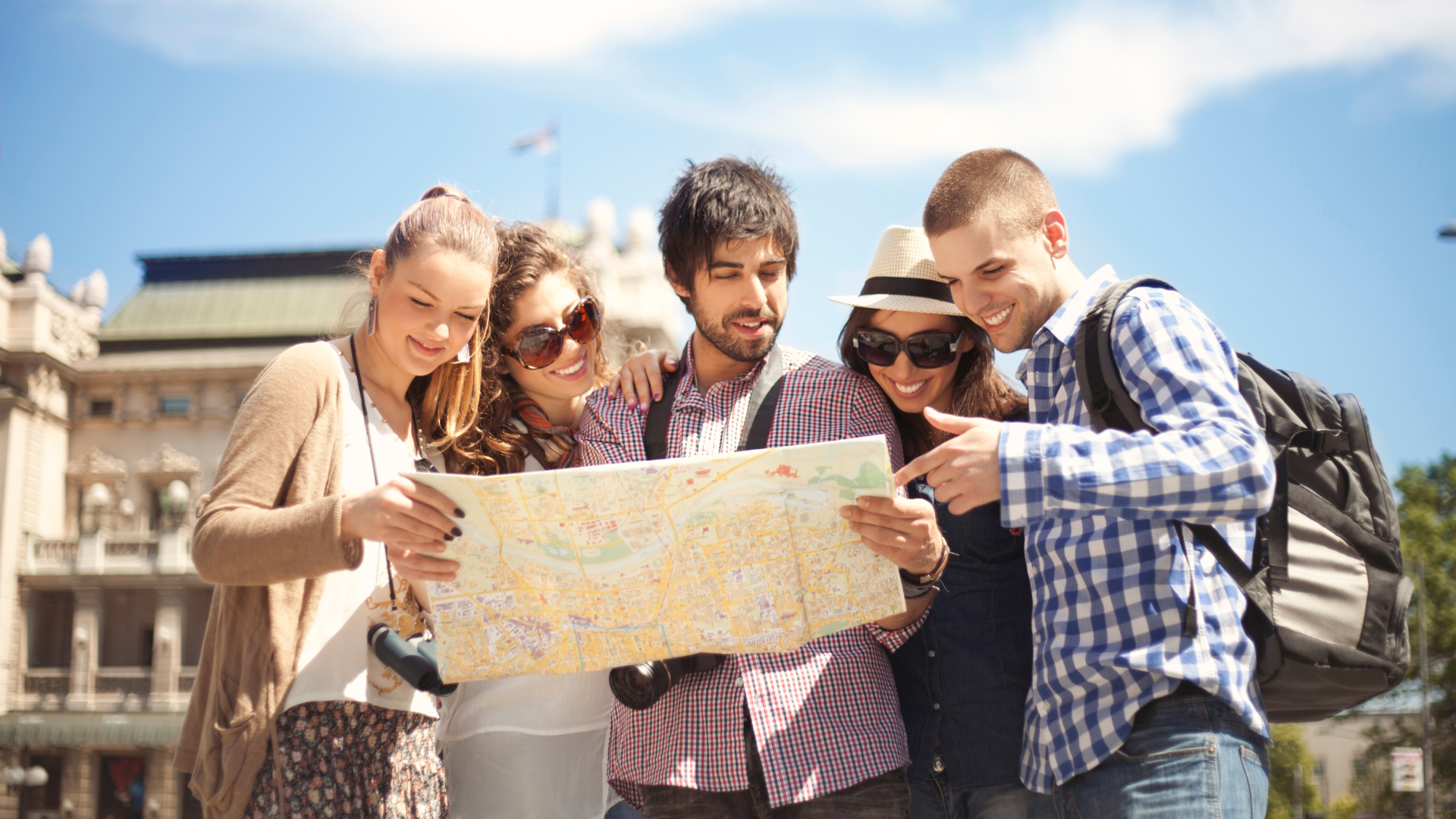
Planning a group trip can be complex, but it doesn’t have to be stressful. The key to successful travel planning for groups is clear communication and early coordination to ensure everyone’s preferences and schedules align. This approach helps avoid confusion and last-minute changes.
Budgeting and choosing accommodations that suit the entire group are also crucial. Knowing how to manage these details upfront saves time and money, making the trip enjoyable for everyone.
Understanding each member’s interests and making decisions as a team creates a more satisfying experience. These tips will help streamline your group travel planning from start to finish.
Setting Group Travel Goals
Successful group trips begin with clear goals that reflect the priorities of all members. Establishing shared objectives, preferences, and budget limits early helps avoid conflicts and ensures a smoother planning process.
Identifying Trip Objectives
Start by discussing the primary reasons for the trip, whether it’s relaxation, adventure, cultural exploration, or a celebration. Clear objectives set the tone and influence destination and activity choices.
Each participant should list what they hope to gain from the trip. Compare these inputs to find common ground or compromise areas.
Use a simple matrix or table to rank objectives by importance for each member. This visual aid clarifies priorities and guides decision-making.
Aligning Travel Preferences
Group members may differ in preferred activities, pace, and accommodations. Identify shared preferences and major differences early.
Discuss preferences like sightseeing vs. downtime, morning vs. evening activities, or group meals vs. solo time. This helps shape a balanced itinerary.
Use categories such as activity type, travel style, and accommodation level to organise preferences. Prioritise aspects with majority agreement.
Clear communication about individual needs prevents misunderstandings and enhances group cohesion during the trip.
Defining Budget Expectations
Determine a realistic budget range that accommodates all members without significant strain. Transparency about finances is crucial.
Break down expected expenses: transportation, lodging, food, activities, and emergencies. Agree on a cost-sharing method upfront.
Create a budget table to compare estimated vs. acceptable costs per category. This ensures everyone understands financial commitments.
Establishing spending limits early helps prevent disagreements and allows for informed choices when booking or planning.
Choosing Destinations and Dates
Choosing the right destination and travel dates for a group trip requires balancing everyone’s preferences and availability. It’s essential to pick places with activities that suit a variety of interests and to find travel windows that accommodate the majority.
Selecting Group-Friendly Locations
Look for destinations offering diverse activities such as hiking, museums, shopping, or nightlife. Locations with flexible accommodation options—hotels, rentals, hostels—work best to fit different budgets and comfort levels.
Accessibility matters. Choose places with good transportation links and infrastructure to avoid delays or frustrations. Also, consider group size when booking venues or tours, ensuring they can handle everyone comfortably.
Safety and local regulations are important. Check current travel advisories and understand entry requirements for each traveller. A destination with clear plans for group activities and easy access to amenities will streamline the experience.
Coordinating Travel Dates
Gather everyone’s availability early, ideally using tools like shared calendars or scheduling apps. Set a deadline for responses to keep planning on track. Aim for dates thatmaximisee participation.
Avoid major holidays that increase costs and limit options. Weekdays or shoulder seasons often have better deals and less crowding. For longer trips, break travel into phases to accommodate staggered schedules.
Confirm dates once a majority agrees. Be prepared with alternatives in case key members can’t participate. Flexibility during this stage saves stress later.
Considering Seasonality
Research the destination’s climate and peak tourist seasons. Travelling during off-peak months generally means lower prices and fewer crowds but may bring unpredictable weather or limited services.
Check for local events or holidays that might impact availability and costs. Festivals can enhance the experience, but also strain accommodations.
Factor in weather-sensitive activities. For example, ski resorts require winter visits, while beach towns are best in warmer months. Match seasonal conditions to group preferences to ensure enjoyable outings.
Organising Group Transportation
Efficient group transportation depends on thorough planning and clear communication. Successful arrangements involve securing cost-effective travel options, managing logistics for large parties, and syncing schedules to avoid delays or confusion.
Booking Flights and Ground Transport
When booking flights for groups, early reservation is critical. Airlines often provide group discounts or special terms for 10 or more travellers, so contacting the airline directly is recommended. Confirm baggage policies and seating preferences in advance to prevent last-minute issues.
For ground transport, options include buses, vans, or car rental,s depending on group size. Compare prices and availability from multiple providers and consider accessibility needs.
Key booking tips:
- Book flights at least 3 months ahead
- Use a single agent to manage all bookings
- Verify pick-up and drop-off points for ground transport
- Confirm cancellation and change policies
Arranging Group Transfers
Pre-arranged transfers reduce stress during arrivals and departures. Charter buses or shuttle services work well for large groups, ensuring everyone travels together. Smaller groups may use ride-sharing services with multiple vehicles.
Provide clear instructions to drivers or service providers, including meeting points and any special requirements. Get written confirmation detailing vehicle type, capacity, and arrival times.
Use this checklist before confirming transfers:
| Item | Detail |
| Service provider | Name and contact info |
| Vehicle capacity | Suitable for group size |
| Pickup location | Precise address or landmark |
| Transfer schedule | Exact times for pickups/drop-offs |
Coordinating Arrival Times
Synchronising arrival times minimises waiting and confusion. Request flight itineraries from the group early and track potential delays. Staggered flight arrivals may require adjusting ground transport options or arranging temporary waiting spots.
Use shared digital tools like group chats or scheduling apps for real-time communication. Assign a coordinator to monitor arrivals and communicate updates.
Consider time buffers to accommodate unexpected changes and always have contingency plans for late arrivals.
Accommodations for Groups
Finding the right lodging requires comparing types of accommodations, understanding pricing options, and organising sleeping arrangements carefully. Efficient planning can save money and avoid confusion during the trip.
Evaluating Lodging Options
When selecting accommodations, consider hotels, vacation rentals, hostels, or group lodges. Hotels often provide amenities like meeting spaces and daily housekeeping. Vacation rentals may save costs by offering shared living areas and kitchens.
Assess each option based on location, capacity, and accessibility. Confirm that the lodging can comfortably accommodate your group’s size. Check cancellation policies and whether the property allows flexible changes without penalties.
Use online platforms that cater to group bookings to compare prices and reviews. Prioritise safety and convenience, such as proximity to transportation and attractions. Taking these factors into account will narrow down choices efficiently.
Negotiating Group Rates
Contact the accommodation directly to request group discounts or special offers. Hotels often offer lower rates when multiple rooms are booked at once. Provide exact numbers and dates to get precise quotes.
Be prepared to negotiate add-ons like free breakfast, parking, or late checkout. Larger groups may have more leverage, so emphasise the total number of rooms or nights booked.
Request a written agreement to avoid misunderstandings. Confirm cancellation fees or minimum stay requirements. Early booking increases the chances of securing better rates and availability.
Managing Room Assignments
Assign rooms strategically to match preferences and needs, such as allocating nearby rooms for families or those travelling together. Communicate clearly with participants about their room options.
Use a spreadsheet or booking tool to track names, room types, and bed preferences. This helps avoid last-minute confusion and ensures everyone has suitable accommodations.
Consider special needs like accessibility or allergies. Inform the property in advance to accommodate requests. Finalise assignments before arrival to streamline check-in.
Itinerary Planning
Planning an itinerary for a group trip requires balancing individual preferences with group activities. Coordinating bookings and allowing for unexpected changes ensures a smooth experience.
Balancing Free Time and Activities
Group itineraries should include a mix of organised activities and free time. Allocating specific blocks for sightseeing or tours ensures the group stays on track.
At the same time, providing free time lets members explore independently or rest. This balance helps prevent fatigue and keeps the group dynamic positive.
One approach is to schedule group events in the mornings or afternoons, leaving other parts of the day open. Encourage members to communicate preferences early for better planning.
Scheduling Group Reservations
Book group reservations for hotels, tours, and restaurants well in advance. Many places offer discounts or special accommodations for large groups when notified early.
Confirm the exact number of participants before finalising bookings. Use shared spreadsheets or apps to track reservations and payment status.
Identify cancellation policies to avoid penalties if plans change. Provide clear instructions to all members about arrival times and meeting points.
Adapting Plans for Flexibility
Allow room in the itinerary for unexpected changes or delays. Avoid scheduling activities back-to-back; include buffer times between events.
Prepare alternate options if a planned activity isn’t feasible due to weather or availability. Keep communication channels open to update everyone quickly.
Encourage the group to remain flexible and patient. This attitude minimises stress and keeps the trip enjoyable even when changes occur.
Effective Communication Strategies
Clear and consistent communication is essential for smooth group travel. Using the right tools and sharing key documents keeps everyone informed and aligned.
Establishing Group Chat Platforms
Choose a single, widely accessible messaging app like WhatsApp, Telegram, or Signal for real-time updates. Group chats should be organised and limited to travellers only to avoid confusion.
Set expectations early by defining how and when the group should use the chat. For example, designate the chat for urgent updates or changes, but avoid overloading it with unrelated messages.
Use features like pinned messages or hashtags to highlight important details, such as flight times or meeting points. This helps group members find critical information quickly without scrolling through long conversations.
Sharing Itineraries and Documents
Use cloud-based services like Google Drive or Dropbox to store itineraries, tickets, and reservation details in one centralised location. Ensure all group members have access before departure.
Organise files clearly by date and category, such as accommodation, transport, and activities. This reduces the time spent searching for specific information during the trip.
Updating shared documents in real-time allows the group to track changes or cancellations instantly. Encourage members to check the folder regularly to stay informed about any adjustments.
Handling Group Finances
Organising money matters clearly prevents confusion and conflicts. Setting expectations early helps ensure everyone pays their fair share. Establishing a system for collecting funds and tracking expenses will keep the group accountable.
Dividing Costs Fairly
Break down expenses by the nature of the service or item used. Shared costs like accommodation, transportation, and meals can be split equally unless some prefer different options or durations.
Create a table listing each cost, who benefits, and the amount owed per person. For example:
| Expense | Total Cost | Beneficiaries | Cost Per Person |
| Hotel | $600 | 4 people (whole stay) | $150 |
| Rental car | $200 | 2 people (half trip) | $100 |
| Group dinner | $80 | 5 people | $16 |
Agree on these divisions before committing payments. Adjust for individual preferences, such as separate activities or dietary needs.
Managing Payments and Deposits
Decide who will collect payments and when. Often, one person acts as the treasurer to streamline collection and payments. Use apps like Splitwise or Venmo to track contributions in real-time, reducing confusion.
Set clear deadlines for deposits, especially for reservations requiring upfront payment. Collect all money before booking to avoid last-minute dropouts or financial gaps.
Maintain a shared spreadsheet or digital ledger detailing payment status, dates, and amounts. Communicate regularly with the group about outstanding balances and deadlines to maintain transparency.
Tips for Harmonious Group Dynamics
Clear communication and mutual respect form the foundation of a smooth group travel experience. Defining boundaries early and managing disagreements calmly can prevent tension and keep the trip enjoyable.
Setting Expectations Early
Establishing clear expectations from the start reduces misunderstandings. Discuss budgets, activity preferences, and daily schedules before booking anything. This ensures everyone is aware of costs and commitments.
Create a shared document or group chat to track decisions and responsibilities. This keeps communication transparent and accessible to all members. Agree on flexibility levels, such as how strictly the group sticks to plans or the willingness to split into smaller groups for certain activities.
Setting ground rules for behaviour and downtime also helps. For example, agreeing on quiet hours or phone usage can prevent frustration. Clarify how group expenses will be handled to avoid disputes later.
Handling Conflicts Constructively
Disagreements are common but manageable when addressed early. Approach conflicts by listening actively and avoiding blame. Use “I” statements, like “I feel…” to express concerns without escalating tension.
Designate a calm group member as a mediator if conflicts arise. This person can facilitate solutions without taking sides. Encourage taking short breaks to cool down when emotions run high.
Focus on finding compromises that respect everyone’s needs. Sometimes agreeing to disagree on less critical issues saves energy for important decisions. Keep communication open and avoid letting conflicts fester.
Ensuring Safety and Preparedness
Group travel requires careful attention to critical documents and clear emergency protocols. Being organised and ready reduces risks and ensures swift responses when needed.
Preparing Important Documents
Collect and verify all necessary travel documents well before departure. This includes passports, visas, travel insurance, and identification for every group member.
Create both digital and physical copies of these documents. Store digital versions securely on cloud storage and carry physical copies separately from the originals.
Distribute a list of emergency contacts and important document details to all members. This enables quick access in case documents are lost or stolen.
Consider health-related paperwork, like vaccination records or medical authorisation forms, especially for minors or members with specific health conditions.
Emergency Planning for Groups
Establish a communication plan covering how the group will stay in touch during travel. Use group messaging apps and agree on meeting points in crowded or unfamiliar places.
Assign roles such as a point person for emergencies. This person will coordinate in case someone is lost or a crisis occurs.
Review local emergency numbers and healthcare facilities at the destination. Share this information with the group before travelling.
Discuss potential risks relevant to the location, like natural disasters or political unrest. Agree on steps to take if any such situations arise. Maximising Enjoyment and Memories
Creating shared enjoyment and capturing moments are essential for a successful group trip. This involves careful planning of activities and using tools to preserve experiences effectively.
Organising Group Activities
Coordinating group activities requires balancing interests and energy levels. Start by listing preferences from each member, prioritising options that accommodate most people.
Use tools like shared calendars or apps (e.g., Google Calendar, Trello) to schedule activities. Setting clear time slots avoids overlap and downtime. Include a mix of group and optional solo activities for flexibility.
Budgeting matters. Agree on costs upfront to prevent disagreements. Plan some activities with low or no fees to accommodate all members.
Create small teams when needed for logistics or planning. Rotating roles helps keep everyone engaged and responsible for the schedule.
Capturing Shared Experiences
Designate one or more people to consistently document the trip through photos, videos, or notes. Encourage capturing candid moments and key events to create a comprehensive record.
Use cloud storage (Google Drive, Dropbox) to upload media daily. This keeps content safe and accessible instantly for the group.
Consider creating a shared digital photo album or group chat dedicated to posting memories. This allows instant sharing and comments, enhancing connection.
For longer trips, a simple travel journal app or voice memos provides quick ways to record thoughts and highlights, adding depth to memories beyond visuals.
 Bonjour! Hola! Hello! Welcome to Access 2 Europe a site that is dedicated to my love of traveling the wonderous continent of Europe. Lottie Davies is the name and traveling is the game, ever since I left university 15 years ago, hopped on that plane, and jetted off to my first destination France.